
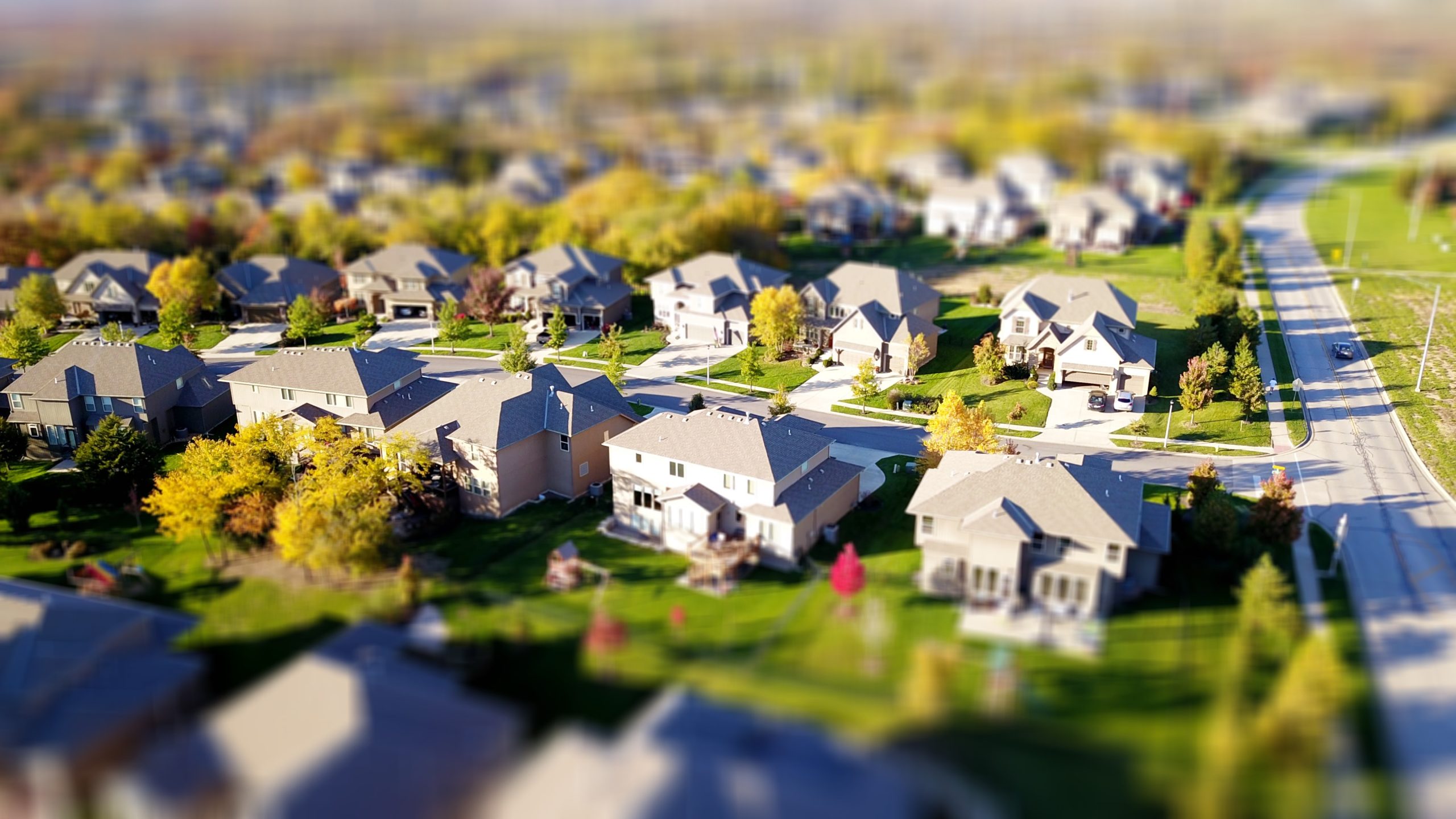
If you are looking to get on the property ladder, then you will have come across three main options: an existing home, a new build or purchasing off-plan. Each comes with its own perks and drawbacks and are, ultimately, reliant on your personal preferences and finances. Still, whether you are after a brand, spanking new property or one with generations of character, there’s a lot to consider, so let’s dive in!
What is a new build property?
A new build property is one that is (unsurprisingly) new and unlived in. It is chain free and the buyer purchases directly from the property developer. Many refer to modern homes as new builds. However, if they have had previous occupants these are considered ‘existing homes’.
What are the perks of a new build?
There are heaps of perks to a new build. It is incredibly satisfying to move into a brand new home. Modern, fresh and often a blank canvas, a new build home is easy to move into and make your own. Other advantages include:
- They are energy efficient
All new build homes are encouraged to meet high energy efficiency standards. They are built with energy-saving materials, such as insulation with high thermal values and double-glazed windows, helping reduce outgoing energy bills.
- No tricky chains
By purchasing a new build, you avoid the heartache of losing a property due to an occupier further down your chain dropping out. It also makes for a speedier process.
- More accessible for first time buyers
New builds are highly likely to offer government-backed schemes for first time buyers, such as Help to Buy Equity Loan and Shared Ownership.
- They come with a warranty
Almost all new build homes come with a 10-year warranty, giving you peace of mind should any problems arise.
And the downfalls?
- New build homes are often smaller in size, due to property developers trying to maximise their profit by fitting in as much housing as possible.
- They are often very uniform in look, lacking the character that older homes have.
- Research has shown that newer builds purchase prices are generally above market rate. Lenders consider new builds as a premium sale. This, in turn, means they can be harder to mortgage and a deposit can be hefty.
What is ‘buying off-plan?’
Often, upon development, there are options to buy homes before they are completed. By doing this, you are committing to the sale without ever seeing the property, only the plans.
What are the advantages to buying off-plan?
- The price is often cheaper
Because you are committing to a project that has not been built, you are highly likely to be buying it at a discounted price, meaning it will be worth more when you move in.
- Easy to personalise
It’s your home and you can have input into its fixtures and fittings from the outset. Companies often encourage buyers to choose finishing touches such as wallpaper carpeting and kitchen worktops.
- Secures a property in your ideal location
If it is a popular development, buying off-plan means that you can secure the purchase of your home before it is built.
And the downfalls?
- The wait between the agreement and moving in can be a long one. You are reliant on the property build progressing and at mercy to any setbacks. This could lead to your mortgage offer expiring and losing your deposit.
- The property may look amazing on paper, but what about if you walk in and discover you are overlooked by neighbours, or that the walls are paper-thin? In many ways, buying off-plan can be a gamble.
- Not so much a downfall, but a point to consider. Research the developer’s experience and view completed projects. If the developer is new, then ask how your deposit and funds are protected.
What is considered an ‘old’ property?
An older property, or an existing home, is a home that has been lived in before. The scope for this bracket is huge, they can range from a mere month old to centuries in age.
What are the pros of an older property?
For those that like a home with plenty of character, with room for improvement, an older property may be a perfect option. There’s an abundance of positives including:
- Architectural features
Older homes are likely to come with unique quirks and a story to tell. From fireplaces, sloping ceilings, grand wooden beams and large windows, they are far from the blank canvases of new builds, which many will find appealing.
- Better value for money
A new build is a little like buying a car. Over time, its value decreases. An existing home, on the other hand, can be an excellent investment. If it is bought at a reasonable price, small touches such as a repaint or larger renovations such as an extension, add value to a property. They are also far easier to haggle on price!
- They have larger outside spaces
Long before the housing market was overcrowded, homes were built with generous sized gardens. An older home is far more likely to have a larger outdoor plot attached.
- Prime Location
An older home will be within an established community with the amenities you need closer to hand, for example, schools, doctors, good travel links and supermarkets.
And the downfalls?
- Maintaining an older home is harder work. There are no new build warranties to fall back on and you can come across issues that you aren’t prepared for.
- Many existing homes were not built with energy efficiency in mind, leading to higher utility bills.
- The dreaded ‘property chain’. Unless you are fortunate enough to buy a chain-free property, you can become part of a long drawn out chain, making purchasing your property stressful.
Do you lean towards a new build, existing home or off-plan? Let us know below.