
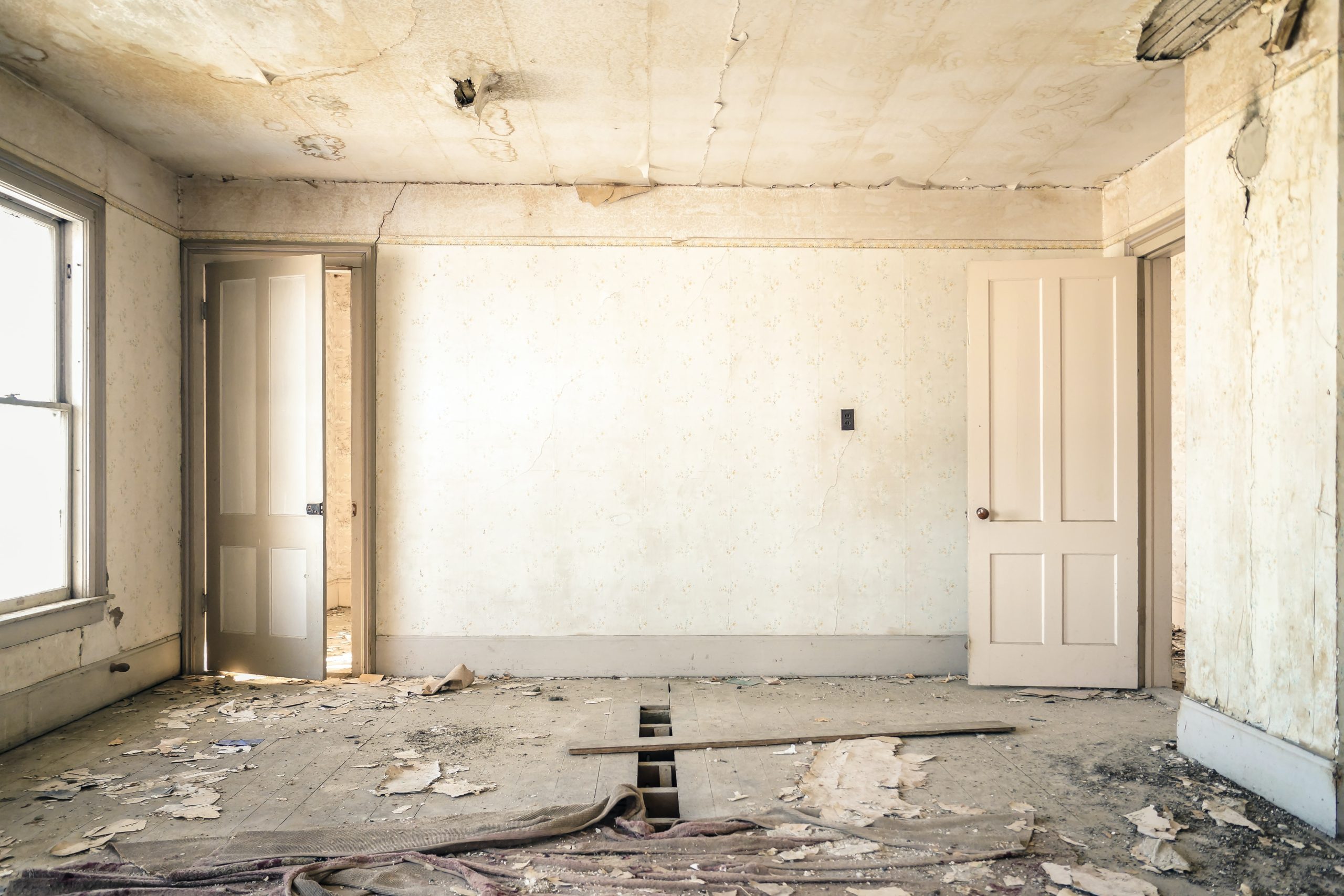
I’m the first to admit, I love a project. The buzz of viewing properties, discovering a hidden gem and breathing life into a tired home, is a passion of mine. However, I understand this isn’t always the case for others. Sometimes life is stressful enough and moving into a property that lives up to your expectations, or requires little work, is a reward in itself. But for those who have the patience, renovating a property is a challenge that often pays off. It is a unique chance to stamp your mark on a home, and not to mention, add value to it too. That said, property refurbishment is a minefield and one that needs to be trodden carefully.
What must you consider before purchasing?
- The location
As with any property, location is vital. You can put all your time and money into a project, but if it doesn’t meet your priorities such as having good travel links or access to schools, for example, you may be wasting your time. The right property needs to tick a lot of boxes and has to be one in which you can see plenty of potential. Take the time to research house pricing trends in the area and check whether there are similar homes that have been renovated successfully.
- Commission a full building survey
Often, you are whizzed around a property by an estate agent in 15 minutes or less, hindering the opportunity for a close inspection. Older houses are masters at paving over the cracks and being passed off as ‘quaint’ or ‘full of character’, so always dig a little deeper and commission a full building survey, if your offer is accepted. A survey can reveal any unseen damage, giving you room to negotiate on price or pass on the property. A typical building survey will cost anywhere between £500- £1000.
- Check Building Regulations and Planning Permission
Sometimes a property just needs a little TLC. A fresh lick of paint or a new bathroom is all that is needed to transform a project into a home. However, other homes may require more work. If you want to add an extension or an internal wall, for example, check whether this will need to be signed off first. The planning process can be time consuming, costly and you always run the risk of it being rejected.
- Go over and over your costs
Renovating a home can be a costly project, so do not get financially in over your head. Write down everything that you plan to do and be prepared to carry out some changes to the property over time if costs appear high. Not everything needs to be completed at once and sometimes making the property liveable and progressing in stages is more financially viable. Account for all hidden costs: stamp duty, solicitor fees, architect fees and legal fees.
- Are you mentally prepared?
Renovating a home is a rollercoaster ride. It is one full of highs and lows and twists and turns of the unexpected. Before starting your journey, it is essential to question whether this is the right time and if you are prepared for everything else in life to take the back seat. You will accumulate the roles of project manager, accountant and labourer, and this requires time, discipline and patience. Being able to take on this responsibility is vital to success.
Getting started
Every project will vary wildly in cost and planning but below are some examples of what you may need to prepare for:
- New Kitchen
- New Bathroom
- Heating Systems
- Window replacements
- Plastering of rooms
- Electrics and rewiring
- Structural work
- Extension or roof conversion
- New flooring
What type of mortgage will you need for a renovation?
You may be able to apply for a standard mortgage if you are renovating a property. However, depending on the level of work that needs to be carried out, you may require an alternative mortgage.
If you are buying a home that is classed as ‘uninhabitable’ most mortgage lenders will be reluctant to lend. The definition of ‘uninhabitable’ can include:
- No kitchen or bathroom
- If the home cannot be made secure
- Significant damp or mould problems
Refurbishment mortgage
A refurbishment mortgage will differ from a normal mortgage. It is a loan to cover the cost of the property, alongside the renovations and is an ideal solution for those who do not have the capital for improvements. Typically, a refurbishment mortgage is released in two phases: at purchase and once renovations are complete. The loan is based upon the estimated value of the property, once all work is finished. Rates tend to be higher than a normal mortgage.
Buying a home that needs a little (or a lot!) of work can be an excellent way of getting your first foot on the property ladder in your desired postcode. Sure, there will be plenty of blood, sweat and tears but for me, it is one of the most rewarding projects that you can undertake. Despite the ups and downs of the journey, I always find myself wanting to do it all over again once it is finished.
Have you undertaken a house renovation? We would love to hear about how you found the whole process.